The Issue:
tag allocation
Tag allocation issues are about how tags are distributed, particularly the amount available to NM residents.
These issues are mult-layered and vary by species over the distribution method, private versus public availability, and management rules. These issues exploit a pay-to-play system to partially guarantee a tag to those willing to pay extra costs.
NMWF views these issues as unfair and inequitable to NM residents, harmful to NM traditions and heritage, and against regulations codified in statute.
AT A GLANCE
The big game tags available for public draw is not more than 60% of all tags for any big game species.
The Outfitter Set-Aside puts up to an additional 10% of available draw tags to a pay-to-play system that requires a contract with an outfitter to apply.
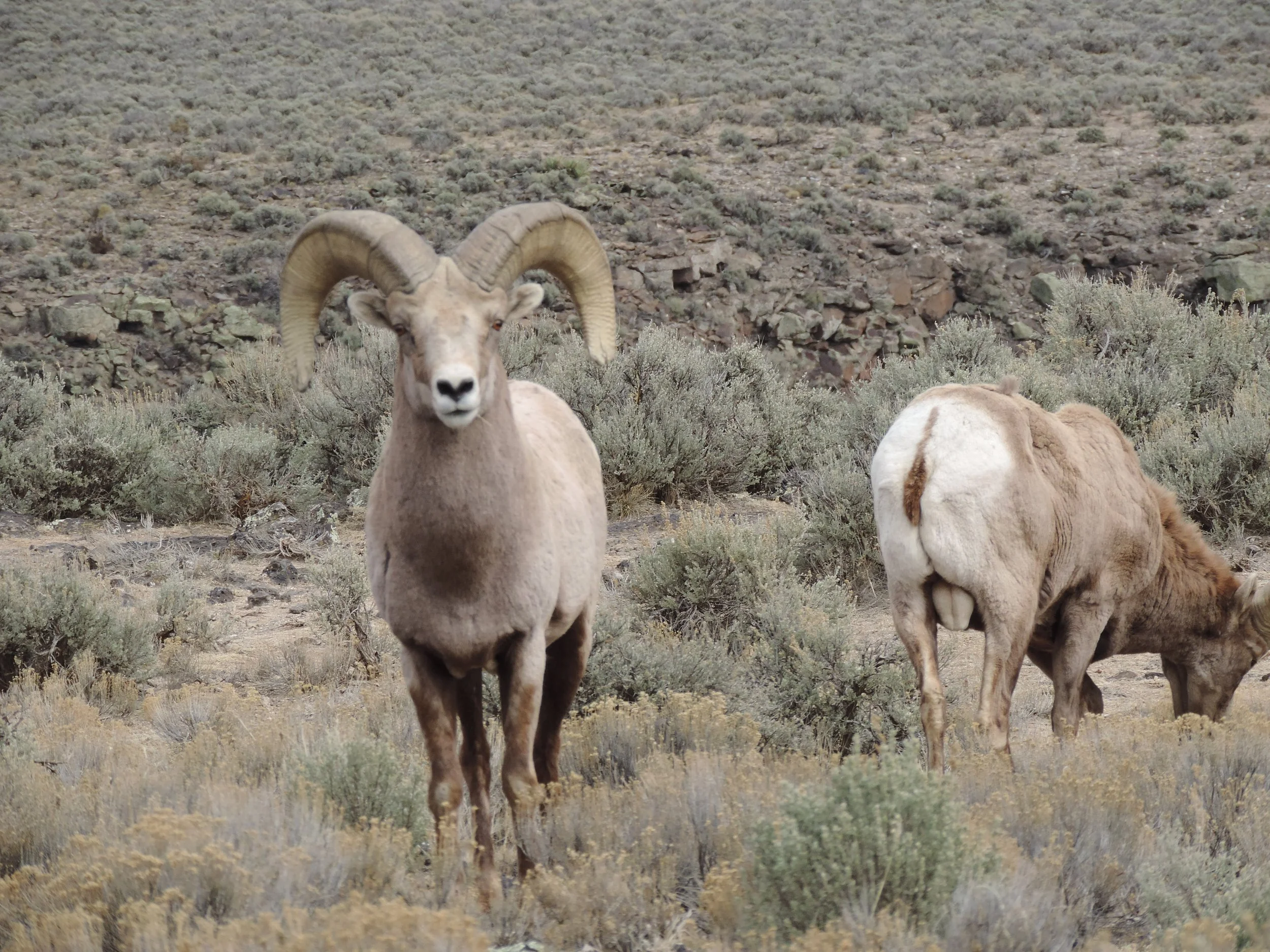
Species-specific allocation methods vary, but display preference for privatization over NM resident opportunity. This includes EPLUS, unlimited landowner tag distributions, and bighorn sheep tag lumping.
New Mexico is an outlier in the West, distributing 72% of all private elk tags in the Western region.
Surveys show that 95% of non-hunters understand and accept hunting to feed your family, but that the same group negatively views hunting for trophy or sport. Hunting is at risk over its public perception of use - the more it becomes a monetarily exclusive activity, the more skepticism traditional protein procurement receives.
by the numbers
Data collected from New Mexico’s Department of Game and Fish in 2022((??)) revealed how the state’s tag allocation system benefit private interests and nonresidents over NM residents.
TakeBackYourElk.com, 2022 and 2024 Reports
BASICS TO KNOW:
Tag: A tag refers to the required permit needed in order to hunt an animal. Every species legally requires a hunter to acquire a tag. Tags are acquired in two ways: over-the-counter or in the draw.
Over-the-counter (OTC): Many species have tags available for purchase from the NMDGF or an authorized license vendor. These tags can be for public or private lands.
Draw: A lottery-based system where hunters select which species and location they are interested in, submit their top 3 choices, then wait for the draw results.
Hunt Code: A shorthand department identifier to indicate a hunt’s species, weapon allowance, location, and hunt dates. The hunt code is set-up as such: DER - 1 - 105, Species - Weapon - Location/Date. Hunt codes are assigned to each tag.
North American Model of Conservation (NAM): establishes
Public Trust Doctrine: Establishes that land and wildlife are public resources managed by trustees for the beneficiaries of the trust, where the trustee is the wildlife/natural resources department and the beneficiaries are the residents. For federal public lands, that means the land beneficiaries are all United States residents. For wildlife, they are managed by the state governments, making the beneficiaries the residents of that state.
NM State statute: Codifies a division of draw tags that will go to no less than 84% of residents, no more than 10% to outfitter-led hunts, and no more than 6% to non-residents.“quote and state which statute” -
A Deep Dive
Species Issues
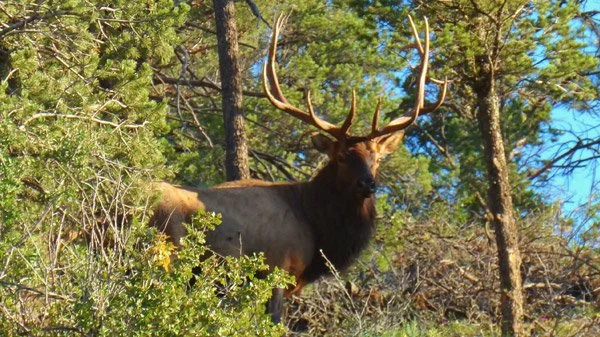
Elk
We bring structure where it counts and adaptability where it matters. Our methods are clear, but always responsive.
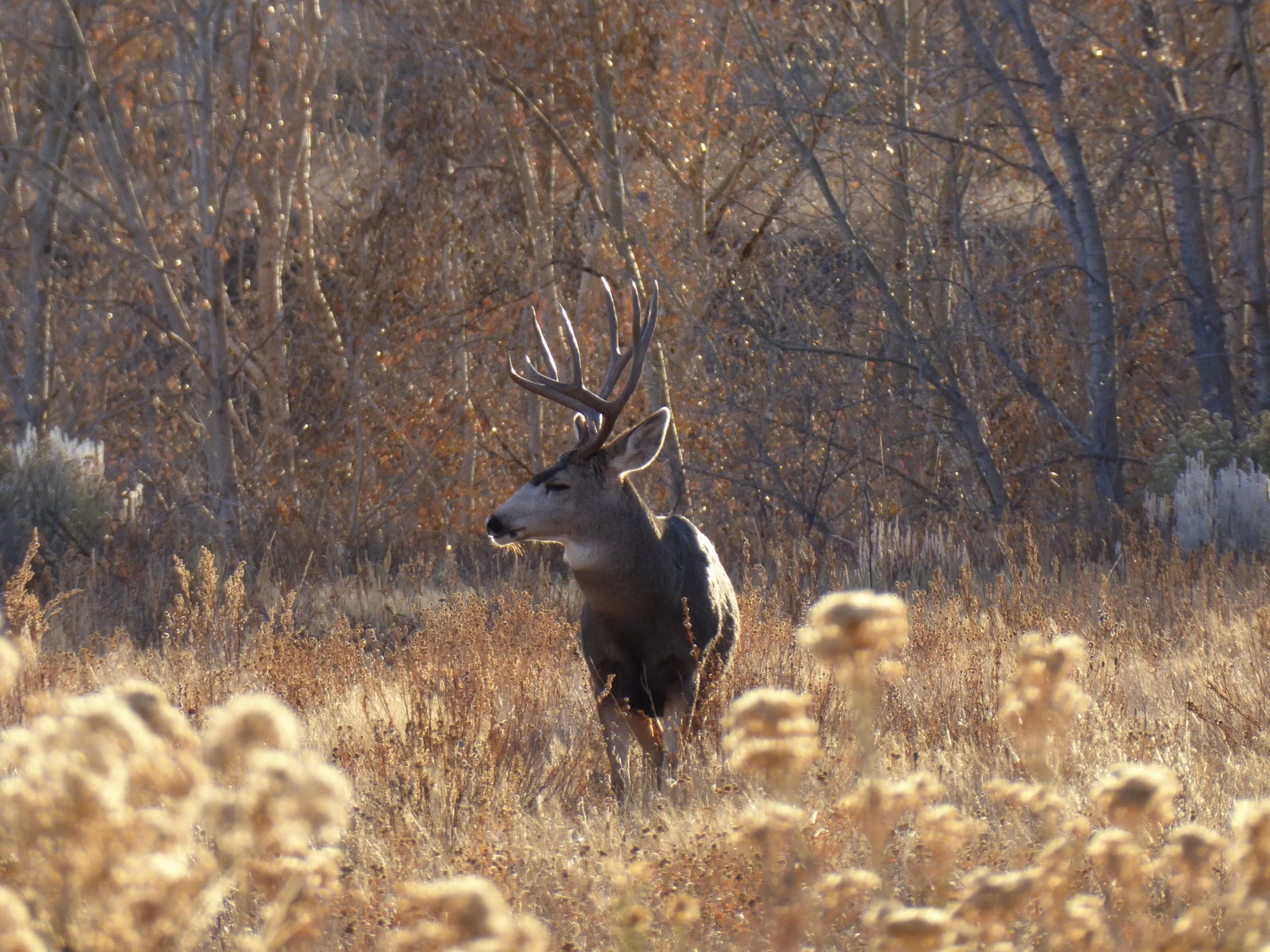
Mule Deer, Pronghorn, Barbary Sheep, Oryx
We bring structure where it counts and adaptability where it matters. Our methods are clear, but always responsive.
Bighorn Sheep
We follow through, meet deadlines, and show up when it matters. Consistency is part of our promise.
Community Stories
Supporting Organizations